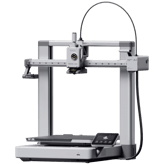
SainSmart Pioneer-3 Reviews: See Why 0 Shoppers Rated It 0 Stars!
Before trusting the stars, check what 0 gadget users said about the SainSmart Pioneer-3 3d printer. That 0/5 might not tell the full story.
 Supermod
 Moderator

 Recaptor
SainSmart Pioneer-3 Review: A Beginner-Friendly 3D Printer with Solid Specs
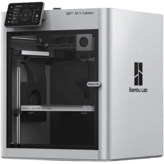
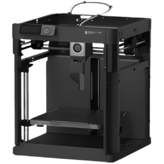
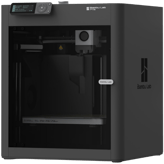
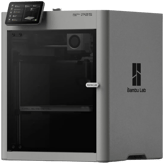
For those stepping into the world of desktop 3D printing, the SainSmart Pioneer-3 offers a compelling entry point. Designed primarily for consumer and educational settings, this kit-style FDM/FFF printer is engineered to balance affordability with enough features to provide a satisfying printing experience. On paper, the Pioneer-3's combination of a modest build volume and straightforward assembly appeals to beginners and educators hoping to explore prototyping or scale miniatures. But does it really live up to its numbers and expectations?
Detailed Specs & Features
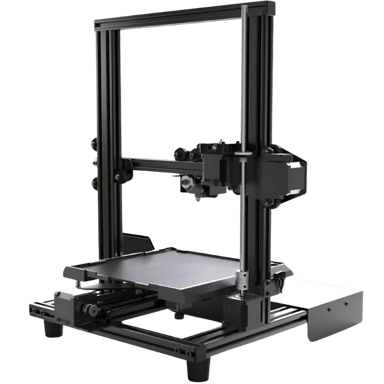
The FDM/FFF technology used by the Pioneer-3 is the most common and accessible 3D printing method, which is ideal for newcomers thanks to its affordability and versatility. The frame, classified as Cartesian, measures a compact 15.4 inches wide, 16.1 inches deep, and 19.3 inches tall with a unit weight of approximately 16.5 pounds, making it manageable for desktop use. Users should note that basic assembly is required since this is a kit model, which suits those looking to learn more about printer mechanics and maintenance.
Powering this unit is an internal power supply supporting an input range of 100-240 volts, making the printer versatile across different countries' electrical standards. While the printer's energy consumption peaks at 350 watts when active, it also demonstrates a low idle power consumption of 15 watts, though notably, it lacks an energy-saving mode.
When it comes to printing capacity, the Pioneer-3 offers a build volume of about 179 cubic inches (8.7 x 8.7 x 9.4 inches), a respectable size for typical desktop projects. The device supports filament diameters of 1.75 mm, compatible with widely available PLA, ABS, and PETG materials, and can reach a maximum extruder temperature of 500°F; excellent for tackling a broad range of filament types, given the need for filament drying to optimize results. Notably, the printer uses a single extruder with a standard 0.4 mm nozzle, with optional nozzles available for customizing print detail and speed.
Design & Build
The Pioneer-3's open-frame design offers easy access to the print bed and extruder, enhancing user convenience for adjustments and maintenance. Users will appreciate the textured PEI magnetic build plate that is removable, which aids in print adhesion and post-print cleanup. It supports both auto and manual bed leveling, a feature that typically improves print success rates, especially valuable for beginners learning to calibrate.
The tactile experience is complemented by a responsive 4.3-inch touchscreen, which balances functional simplicity with clear visual feedback, enhancing operational ease. Its resolution of 480x272 pixels ensures crisp graphics for status updates and menu navigation. The printer's frame utilizes a Cartesian system supported by belts and rods, which contribute to its typical operating noise level of 50 decibels; moderately quiet for a desktop printer.
Performance
Performance-wise, specifications show a maximum print speed of 200 mm/s. Yet, the effective measured speed is closer to 60 mm/s, aligning with the level expected from beginner-focused printers, where quality supersedes sheer speed. Print accuracy stands solid at 100 microns, positioning the Pioneer-3 to handle detailed models and functional prototypes with good fidelity. The printer's ability to handle bridging up to 15 mm and overhangs of around 45 degrees indicates reasonable versatility in print geometry handling.
Extra confidence is offered by features such as print recovery after power loss and a filament runout sensor, which mitigate common 3D printing interruptions. The printer boasts a 95% print success rate under optimal conditions, pointing to a reliable printing experience when properly calibrated. Manufacturers have also embedded overheat protection and auto shutdown on error, underpinning safer operational standards.
Extra Features
Connectivity options stay basic but effective through USB and TF Card interfaces, enabling file transfers without the complexity of network connections. Supported file formats include STL, OBJ, and G-code, compatible with popular slicer software like Cura and PrusaSlicer, which grants users freedom in software choice and workflow. The absence of cloud software, remote monitoring, or multi-print fleet management keeps the feature set grounded, focusing on simplicity and direct printer control.
Maintenance-wise, the printer's hotend and nozzles are replaceable, supported by available spare parts and a reasonable service interval of 100 hours. While there is no predictive maintenance or tool-free maintenance, these parameters reflect the printer's entry-level status with an educational twist, emphasizing user engagement over automation.
Pros & Cons
Pros
- Good build volume and print accuracy suitable for beginners.
- Auto bed leveling and filament runout sensor improve usability and print success.
- Supports multiple filament types, including PLA, ABS, and PETG.
- Affordable price point with a 1-year warranty.
Cons
- Lacks energy-saving mode and quieter operational noise features.
- No active enclosure or air filtration, potentially limiting safety and filament handling.
Price & Value For Money
At a retail price of $189.95 at SainSmart.com, the Pioneer-3 offers an attractive entry-level financial commitment for educational institutions or hobbyists. Given its 1-year warranty and versatile power supply voltage allowing global use, this printer feels well-positioned as an affordable tool for learning the ropes of 3D printing technology. However, users should weigh the trade-offs in advanced features or refinement typical in higher-priced models. Those seeking an easy-to-upgrade platform and solid print quality will find the pricing justified. Still, enthusiasts wanting top-tier noise control or safety features may want to explore pricier alternatives.
Quick Take
In short, the SainSmart Pioneer-3 bridges beginner-friendly usability with well-rounded specifications that suit prototyping and miniature modeling tasks effectively. If we look at the numbers alone, it stands out as a reliable learning tool that encourages hands-on engagement with 3D printing fundamentals.
Closing Recommendation
The Pioneer-3 may be ideal for newcomers and educators prioritizing a balance of low cost, acceptable build quality, and straightforward assembly. It appears to perform best for users willing to invest some effort in calibration and maintenance while appreciating the safety certifications that underscore its trustworthy build. Ultimately, it helps users achieve consistent quality prints without overwhelming complexity.
Verdict
Rating: Based on the specifications and overall feature set, we believe the SainSmart Pioneer-3 deserves 4.1 out of 5.
- Winner Feature => Balanced build volume and auto bed leveling provide beginners with quality-printing confidence.
- Needs Improvement => Lacks advanced noise control, enclosure, and energy-saving modes common in competing models.
Reviews 0
The good, the bad, and the brutally honest.Average Rating


More 3D Printers 453
Unlock more awesome finds.